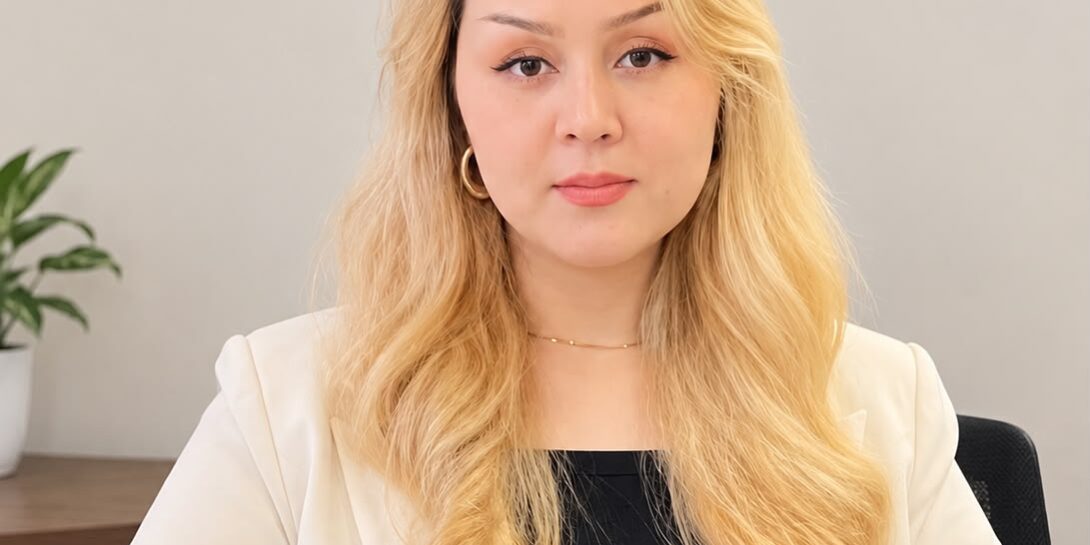
GLC: How has your educational journey shaped your understanding of women’s empowerment and leadership?
KA: For me, education has always meant more than earning a degree. It is about gaining the knowledge, confidence, and ability to make decisions and contribute meaningfully to society. Growing up in Afghanistan, I saw how limited access to education could affect girls’ opportunities and their ability to shape their own futures. These experiences helped me understand the importance of education in empowering women and developing future leaders. Studying Politics, Philosophy, and Economics (PPE) at Asian University for Women in Bangladesh has further shaped my perspective. It has helped me understand how political leadership, institutions, and economic conditions influence people’s lives and opportunities. As the eldest in my family, I have also learned the importance of responsibility, perseverance, and supporting others. To me, leadership is not simply about holding a position or having authority. It is about using the opportunities and knowledge we gain to create opportunities for others. Education can help women make informed decisions, understand their rights, participate in leadership, and contribute to their communities.
GLC: What first inspired you to support girls’ education in Afghanistan and how did your journey as an educator begin?
KA: My journey in supporting girls’ education began before I joined Alpha Educational Society. While I was living in Afghanistan, I worked at a clinic. After returning from work in the late afternoons, I began teaching girls at home. We learned new words, studied subjects they enjoyed, and talked about their dreams for the future. Those moments were meaningful to me because learning became something we shared and enjoyed together. When I joined AUW in Bangladesh, I continued teaching girls in Afghanistan through online lessons and WhatsApp. I later joined Alpha Educational Society as an English instructor, where I teach English and support Afghan girls in developing digital skills. These experiences have taught me that teaching is about more than explaining grammar or helping students complete lessons. It is also about building confidence, encouraging curiosity, and reminding girls that their dreams and abilities matter. Although online learning cannot replace the importance of formal education, it can help girls continue learning when other opportunities are unavailable.
GLC: What are the biggest barriers Afghan girls face in accessing education and what can international organizations, universities and civil society do to help?
KA: Afghan girls face serious barriers to education, particularly at the secondary and higher education levels. Restrictions on girls’ education have limited their opportunities to continue studying, pursue careers, become economically independent, and participate fully in public life. Financial difficulties, limited access to technology and the internet, and uncertainty about the future create additional challenges. International organizations, universities, and civil society can help by expanding scholarships, providing remote learning opportunities, developing flexible admission pathways, and supporting students with internet access, learning materials, and other educational expenses. Universities can also explore accessible online courses and partnerships with organizations that already work with Afghan girls. However, support should go beyond providing access to individual lessons. It should help girls develop academic knowledge, digital skills, confidence, and long-term educational opportunities. Most importantly, Afghan girls should be recognized not simply as recipients of assistance but as individuals with the potential to become educators, researchers, professionals, and leaders. Supporting their education is an investment in the future of Afghanistan.
GLC: As President of the Future Leaders Club at AUW, what is your vision for developing the next generation of women leaders?
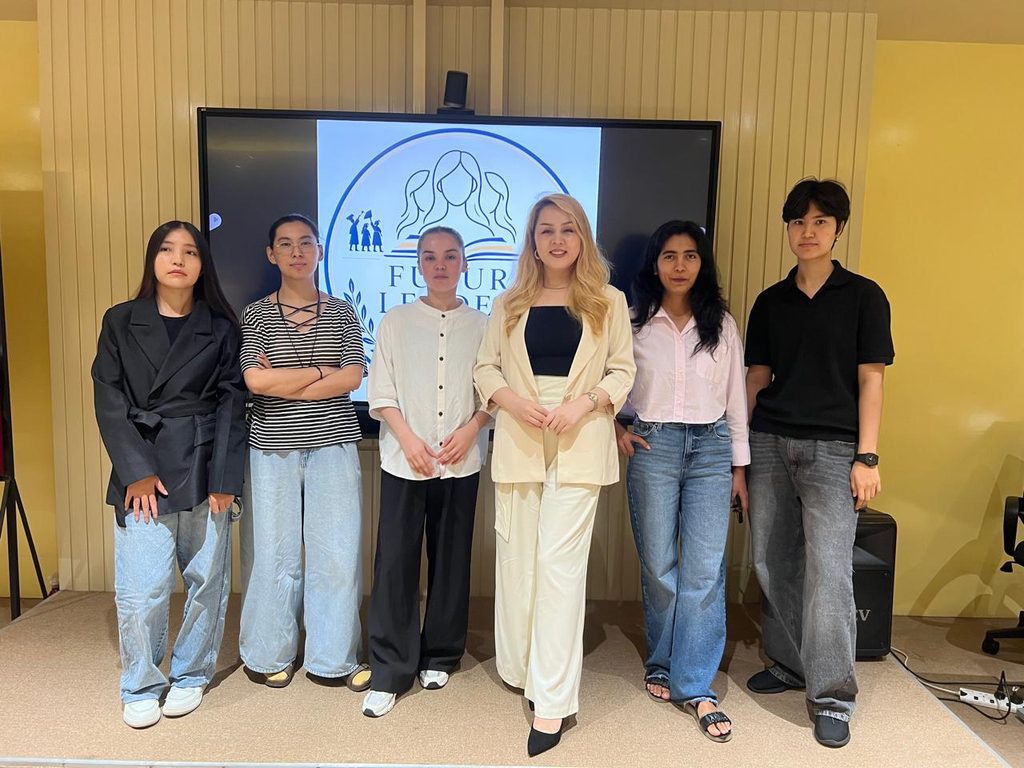
KA: My vision for the Future Leaders Club is to create a space where students can develop their leadership abilities regardless of their background or level of confidence. I believe leadership is not something that only a few people are born with; it can be developed through learning, practice, and experience. I want the club to encourage critical thinking, open discussion, collaboration, and the confidence to express ideas respectfully. Leadership also involves listening to different perspectives, accepting responsibility, and learning from mistakes. Through the club and my engagement as a Global Ambassador for the School of Entrepreneurship Development (SED), I have opportunities to connect with international professionals and learn from their experiences. I would like to use these connections to expose students to different career paths, practical knowledge, and mentorship opportunities. Ultimately, my goal is to help students move beyond discussing leadership and begin applying what they learn through meaningful initiatives and community engagement.
GLC: How has cross-border mentorship influenced your approach to leadership and education?
KA: Cross-border mentorship has helped me understand that leadership and education can benefit from the exchange of ideas across different countries, cultures, and professional backgrounds. Learning from people with different experiences has broadened my perspective and encouraged me to consider challenges from more than one point of view. I have also learned that mentorship is not simply about receiving advice. It involves asking questions, listening carefully, reflecting on feedback, and taking responsibility for one’s own development. Good mentors can help people recognize their strengths, identify areas for improvement, and explore opportunities they might not have considered before. I see mentorship as a two-way learning process. While mentors share their knowledge and experiences, mentees also bring valuable perspectives, questions, and ideas. These exchanges can build connections that continue beyond a single conversation and lead to future collaborations. For me, cross-border mentorship is especially valuable because it allows young women to learn from a wider community while developing the confidence to contribute their own ideas.
GLC: You have participated in the Minerva and Moody’s mentorship programmes and mentor emerging leaders through the Kectil Community Project. What have these experiences taught you about effective mentorship?
KA: I have had the opportunity to be a mentee in both the Minerva and Moody’s programmes. Through Moody’s, I participated in several sessions focusing on economic and financial development, which helped me explore these topics from different perspectives and connect them with my academic interests. These experiences showed me the value of having someone who can offer guidance, share practical knowledge, and encourage me to think more carefully about my goals. They also helped me appreciate the importance of asking questions and remaining open to constructive feedback. Through the Kectil Community Project, I also mentor emerging leaders. This role has encouraged me to apply what I have learned by listening to others, sharing experiences, and supporting them as they identify their own goals. I believe effective mentorship should not tell people exactly what path to follow. Instead, it should help them recognize their abilities, consider their options, and make informed decisions for themselves.
GLC: As President of the Fashion Tailoring Club at AUW, how do you connect practical skills, sustainability and women’s economic empowerment?
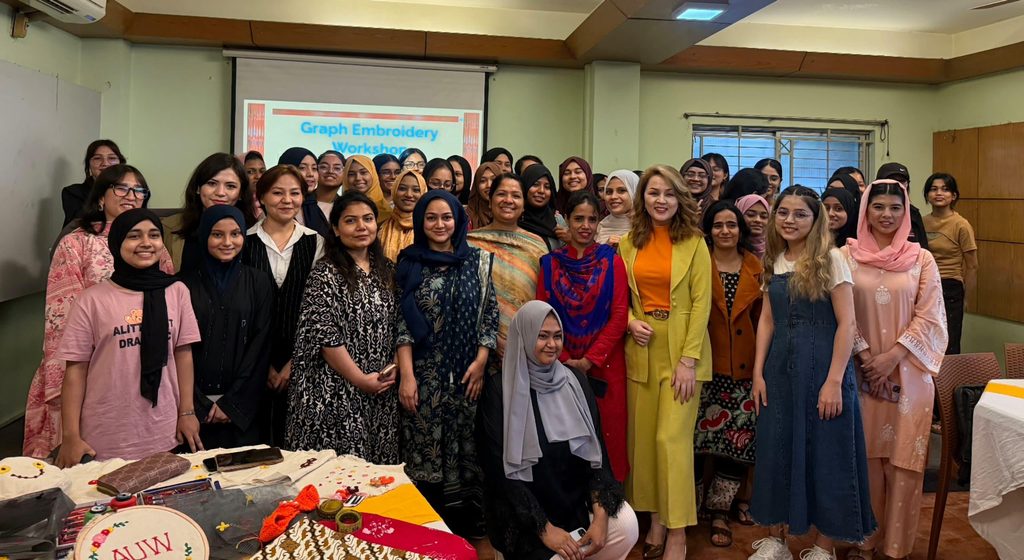
KA: As President of the Fashion Tailoring Club, I have worked to create opportunities for students to develop practical skills and explore their creativity. We have organized sessions on basic stitching, cutting, and sewing, giving students opportunities to learn techniques they can use in their daily lives or develop further in the future. We have also explored sustainability through activities involving the reuse of waste fabric and clothing, along with embroidery and other creative approaches to transforming materials. These activities encourage students to think about how discarded materials can be given new value and how creative skills can potentially lead to income-generating opportunities. For me, the connection between practical skills and empowerment is important. Learning tailoring can provide a foundation for entrepreneurship, self-employment, or further vocational training. However, skills development is only one part of the process. Access to materials, continued training, customers, and financial support can also influence whether someone can turn a skill into a sustainable source of income. I see the Fashion Tailoring Club as a space where students can learn by doing, share ideas, and explore how creativity and sustainability can contribute to economic empowerment.
GLC: How have your roles as a Teaching Assistant and Residential Assistant at AUW shaped your understanding of leadership?
KA: My experiences as a Teaching Assistant and Residential Assistant have taught me that leadership is often demonstrated through everyday responsibilities rather than major achievements. Both roles require communication, patience, organization, and the ability to work with people who have different needs and perspectives. As a Teaching Assistant, I have learned the importance of supporting students in their learning, explaining ideas clearly, and helping create an environment where students feel comfortable asking questions. As a Residential Assistant, I have developed a greater understanding of community responsibilities, conflict management, and the importance of balancing empathy with accountability. These experiences have shown me that leadership is not about having all the answers. It is about being willing to listen, respond responsibly, and learn from the people around you. They have also reinforced my belief that a supportive environment can help people feel more confident and capable of achieving their goals.
GLC: What challenges have you encountered while balancing academic responsibilities, leadership roles, and your commitment to education?
KA: Balancing academic work with leadership and teaching responsibilities requires careful planning and a strong sense of responsibility. Studying PPE involves reading, research, critical analysis, and assignments, while my roles at AUW and my work supporting girls’ education require time, communication, and commitment. There are times when several responsibilities demand attention at once. Managing these commitments has taught me to prioritize tasks, plan ahead, and recognize the importance of using my time effectively. It has also taught me that being committed does not mean I must do everything perfectly or accomplish everything at once. My experiences have helped me become more disciplined and adaptable. They have also reminded me why I value education and leadership in the first place. When I think about the girls who continue trying to learn despite difficult circumstances, I am reminded that opportunities should not be taken for granted. Their determination encourages me to make meaningful use of the opportunities available to me.
GLC: How has studying Politics, Philosophy, and Economics influenced your understanding of the challenges facing Afghanistan?
KA: Studying Politics, Philosophy, and Economics has helped me understand that a country’s challenges cannot be explained through a single factor. Political institutions, leadership decisions, economic conditions, and social structures interact in ways that influence people’s lives. Afghanistan has experienced significant political changes, institutional challenges, economic hardship, and restrictions on fundamental rights. My studies have encouraged me to examine how institutions are established, how political authority is exercised, how economic policies affect people’s opportunities, and why institutions may struggle to remain effective during periods of crisis. PPE has also taught me to approach these questions critically rather than relying on simple explanations. Political leadership matters, but so do institutional accountability, economic capacity, public participation, and access to essential services.
These perspectives have strengthened my interest in understanding how more effective institutions and inclusive policies can support long-term development. They have also shaped my belief that education is essential for preparing people to analyze complex problems and contribute to meaningful solutions.
GLC: Looking ahead five to ten years, what are your professional goals, and how would you like to contribute to Afghanistan and the wider world?
KA: Over the next five to ten years, I would like to pursue further studies and build a career in public policy, international relations, development, or policy research. I am particularly interested in understanding how political institutions, leadership, and public policies can improve people’s lives and respond to complex social challenges. One of my long-term priorities is supporting girls’ education and expanding opportunities for Afghan women. I would like to contribute to initiatives that help Afghan girls access education, develop professional skills, and participate in decision-making. I am also interested in research and policy work that examines institutional resilience, governance, and development in Afghanistan. I understand that meaningful change requires long-term commitment and cooperation among many people and institutions. I hope to gain the knowledge and experience needed to contribute through research, educational initiatives, policy development, or work with international organizations. Ultimately, I want my education and professional experience to have a purpose beyond personal achievement. I want to use what I learn to help create opportunities for others and contribute to a future in which Afghan women and girls can study, work, lead, and participate fully in society.
GLC: What advice would you give to young women who want to become leaders but feel limited by their circumstances?
KA: My advice is to remember that your circumstances do not define the full extent of your abilities or your future. There may be barriers that are difficult to overcome, and progress may take longer than expected, but that does not mean you have nothing to contribute. Confidence often develops through action. You do not need to feel completely ready before taking your first step. Start with what is available to you, whether that means learning a new skill, sharing an idea, helping someone else, or applying for an opportunity. Small steps can gradually build the knowledge and confidence needed to pursue larger goals. I would also encourage young women to support one another rather than feel that they must compete to succeed. When women share knowledge, encourage each other, and create opportunities together, their impact can extend far beyond what one person can achieve alone. My own journey is still developing, and I continue to learn from the people and experiences around me. I believe leadership begins with the willingness to learn, take responsibility, and contribute wherever you are. You do not have to wait for the perfect circumstances to begin making a difference.