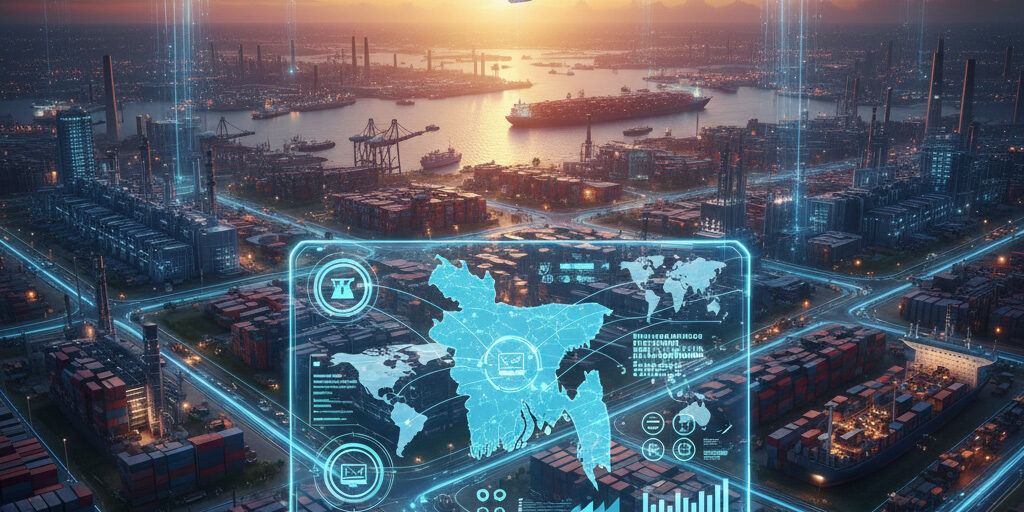
Bangladesh has long been recognized as a key player in the global manufacturing landscape, particularly in the textile and garment industries. However, the country’s manufacturing sector is rapidly evolving, creating opportunities for businesses worldwide to establish a presence and tap into its growing potential. As the world looks for alternatives to traditional manufacturing hubs like China, Bangladesh is increasingly emerging as a prime destination for global supply chains.
In this blog, we’ll explore why Bangladesh is poised to become a global manufacturing hub, the sectors driving this transformation, and how businesses can capitalize on the country’s advantages for supply chain success.
- Bangladesh’s Strong Manufacturing Foundation
Historically, Bangladesh’s manufacturing industry has been driven by its dominant position in the global ready-made garment (RMG) sector, which accounts for more than 80% of the country’s total exports. The country is the second-largest exporter of textiles in the world, behind China. With its affordable labor force and extensive industry expertise, Bangladesh has built a reputation for high-quality, cost-effective manufacturing.
However, in recent years, the country has made significant strides in diversifying its manufacturing capabilities. While textiles and garments remain at the core, industries like electronics, automotive parts, consumer goods, and pharmaceuticals are gaining momentum. This diversification presents exciting opportunities for global businesses looking to expand or shift their supply chains to Bangladesh.
- Key Advantages of Manufacturing in Bangladesh
- Competitive Labor Costs
One of Bangladesh’s most significant advantages is its low labor costs. The country’s average labor costs are among the lowest in Asia, which makes it an attractive destination for businesses looking to minimize production costs. With a large pool of skilled and semi-skilled workers, Bangladesh can meet the labor demands of industries ranging from textiles to electronics and automotive manufacturing.
The young and growing workforce provides companies with a stable supply of talent, and the government’s focus on vocational training and skills development is ensuring that workers are better equipped to meet the demands of advanced manufacturing sectors.
- Strategic Location
Located at the crossroads of South Asia and Southeast Asia, Bangladesh offers a strategic geographic position that facilitates easy access to key global markets, including India, China, the Middle East, and Europe.
The country’s proximity to major shipping routes, including the Bay of Bengal, enhances its appeal as a logistics hub. Bangladesh’s port facilities, particularly the Port of Chittagong, are critical gateways for global trade, and ongoing improvements in infrastructure are set to increase the country’s logistical efficiency, further boosting its appeal to supply chains.
- Growing Infrastructure and Industrial Zones
The Bangladeshi government has made substantial investments in infrastructure, including the development of special economic zones (SEZs) and industrial parks. These zones offer attractive incentives, including tax exemptions, duty-free imports of raw materials, and eased regulatory processes for manufacturers.
Additionally, the government’s infrastructure development plans, such as improved roads, bridges, and the construction of a deep-sea port in Payra and the Matarbari region, are designed to support future growth in the manufacturing sector and enhance the overall supply chain efficiency.
- Key Manufacturing Sectors Driving Growth
While textiles and garments continue to lead Bangladesh’s manufacturing industry, other sectors are emerging as strong contenders. Here are the key industries transforming Bangladesh into a hub for global supply chains:
- Textiles and Garments
The textile and garment industry in Bangladesh remains a dominant force in global supply chains. The country’s long history of textile production and expertise in cut-make-trim (CMT) operations make it a preferred destination for international fashion brands. Moreover, Bangladesh’s participation in the Generalized System of Preferences (GSP) trade agreements allows for duty-free access to markets in the EU and the U.S., enhancing its competitiveness.
As international retailers demand sustainable and ethical sourcing, Bangladesh is also increasingly focusing on sustainable manufacturing practices and eco-friendly fabrics, helping position the country as a leader in sustainable fashion.
- Pharmaceuticals and Medical Devices
Bangladesh’s pharmaceutical sector has shown remarkable growth, becoming the second-largest producer of generic drugs in the world. The country is home to a robust pharmaceutical manufacturing ecosystem, with many companies meeting World Health Organization (WHO) standards.
As the global demand for affordable generic drugs continues to rise, Bangladesh’s pharmaceutical industry is well-positioned to be a key player in the global supply chain, offering cost-effective solutions for healthcare products. The country is also expanding into the medical devices market, which provides significant opportunities for foreign investment and partnerships.
- Electronics and Electrical Appliances
In recent years, Bangladesh has started to gain ground in the electronics and consumer goods sectors. The country has a burgeoning electronics manufacturing industry, producing products such as mobile phones, television sets, and LED lights.
Several multinational companies have already set up electronics manufacturing units in Bangladesh, and with the government’s focus on improving technology infrastructure, this sector is expected to grow exponentially. The country’s growing consumer base, combined with low labor costs and increasing investment in education and skills development, makes Bangladesh an attractive destination for electronics manufacturers.
- Automotive and Auto Parts Manufacturing
Bangladesh’s automotive sector is in its early stages but has enormous potential. The country’s government has been focusing on automobile manufacturing by offering incentives and attracting foreign investments in the sector.
Bangladesh is already producing automobile parts for global car manufacturers and has a growing market for both local and international car brands. With a developing automotive manufacturing ecosystem, Bangladesh is well on its way to becoming a key player in the global supply chain for automotive parts and components.
- Government Incentives for Manufacturers
The Bangladeshi government offers several incentives to foreign investors in the manufacturing sector. These include:
- Tax exemptions and rebates for businesses in export-oriented industries.
- Duty-free imports of capital machinery and raw materials for manufacturing.
- Incentives for R&D in high-tech manufacturing.
- Investment-friendly regulations in Special Economic Zones (SEZs) that provide streamlined processes for foreign companies.
These incentives, combined with Bangladesh’s affordable labor force and growing infrastructure, make it an increasingly attractive destination for global manufacturers seeking to optimize their supply chains.
- Overcoming Challenges: The Path Forward
While Bangladesh offers immense opportunities, there are still challenges to address, such as infrastructure bottlenecks, bureaucratic delays, and regulatory complexities. However, the government is taking steps to improve the business environment through reforms in taxation, customs procedures, and labor laws.
To succeed in Bangladesh’s manufacturing sector, foreign investors should focus on building strong relationships with local partners, adapting to local business practices, and staying updated on regulatory changes.
Conclusion: Bangladesh – A Global Manufacturing Hub
Bangladesh is on track to become a global manufacturing hub, offering cost-effective labor, a strategic location, and a growing infrastructure base to support the needs of international supply chains. Whether you’re in textiles, pharmaceuticals, electronics, or automotive, the country provides ample opportunities for manufacturers to scale their operations and meet the demands of global markets.
With continued investment in infrastructure, skills development, and regulatory reforms, Bangladesh is positioning itself as a key player in global supply chains. For businesses looking to expand their manufacturing base or diversify their supply chain, Bangladesh offers a wealth of opportunities for growth and success in the years to come.
Ready to explore manufacturing opportunities in Bangladesh? Contact Bangladesh Business Bureau (BBB) today to get expert guidance on setting up your operations and tapping into this thriving market.